
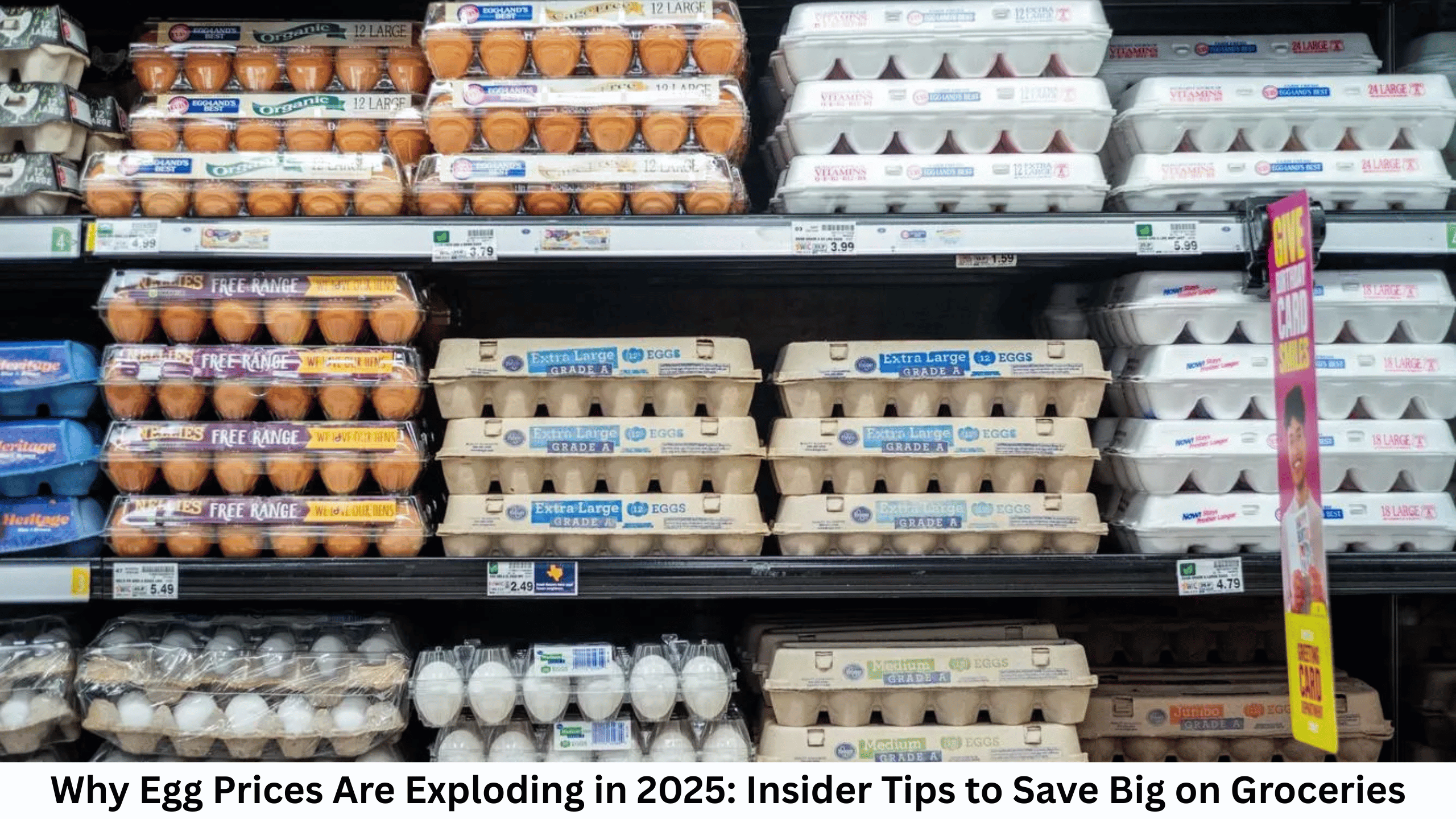
Imagine strolling down the grocery aisle, eyeing a carton of eggs that once cost $2.50 but now demands nearly $5—or worse, finding empty shelves. If this scene feels all too familiar in early 2025, you’re not alone. Egg prices have surged to record highs, up 53% from January 2024, hitting an average of $4.95 per dozen nationwide. As a journalist who’s covered food supply chains for over a decade, I’ve seen how global events ripple into our weekly shopping trips. This isn’t just about eggs; it’s a stark reminder of fragile food systems in an era of pandemics and climate shifts.
In this post, we’ll break down the real culprits behind the egg price explosion—think devastating bird flu outbreaks and stubborn inflation—and share battle-tested tips to protect your wallet. Whether you’re baking for Easter or scrambling for breakfast, these strategies could save you hundreds annually. Let’s crack into the facts.
The Bird Flu Bomb: How Avian Influenza Is Culling Flocks and Costs
No story on egg prices 2025 is complete without spotlighting highly pathogenic avian influenza (HPAI), the H5N1 strain that’s been a nightmare since 2022. This virus doesn’t mess around: It spreads like wildfire through wild birds and jumps to commercial flocks, forcing farmers to euthanize entire operations to contain it. By February 2025, over 35 million birds had been lost just this year, with January alone claiming 23.3 million egg-layers. That’s a 15% hit to the nation’s laying hens in months, slashing supply and jacking up prices.
Experts like Dr. Angela Rasmussen, a virologist at the University of Saskatchewan, explain that HPAI’s persistence stems from its evolution in migratory birds. “Wild geese and ducks act as natural carriers, depositing the virus near farms during migration,” she notes in a recent PBS interview. Farms in Iowa and Ohio—top egg producers—have been ground zero, with surges since November 2024 depopulating 18.25 million birds in December alone. The result? Wholesale prices spiked 255% in four months, from $1.07 per dozen in early 2024 to $5.87 by January 2025.
Inflation’s Sticky Residue: Why Broader Costs Won’t Let Prices Drop
Bird flu grabs headlines, but egg prices 2025 are also fueled by sticky inflation that’s lingered from post-pandemic chaos. Farm production expenses—think feed, fuel, and labor—jumped 36% since January 2020, per USDA data. Chicken feed alone, tied to corn and soy prices, has risen with global weather disruptions and trade tensions. Add in higher transportation costs from 2022’s fuel spikes, and every egg carton carries extra baggage.
Consumer demand isn’t helping either. Americans devour 250-300 eggs yearly, a trend boosted by protein-focused diets like keto. Holidays amplify this: December 2024 baking fever drove a 36.8% year-over-year price leap, with Easter looming as another peak. “Panic buying during shortages creates a feedback loop,” says economist Emily Horpedahl of the Federal Reserve Bank of Kansas City. “Folks stockpile, tightening supply further.”
Regional quirks compound the pain. California’s cage-free mandate, fully in effect by January 2025, adds 20-30% to costs due to pricier housing for hens. Meanwhile, imports from Brazil and Mexico—26 million dozen since January—help but can’t fully offset domestic losses. As someone who’s crunched CPI reports for years, I can say: This isn’t a blip. Without intervention, egg prices could hit $7.95 by year-end.
State Mandates and Market Concentration: Hidden Pressures on Your Carton
Dig deeper, and you’ll find policy playing a sneaky role in egg prices 2025. States like Colorado and California enforce cage-free rules, raising production costs by limiting efficient farming setups. “Open-pasture hens need more space and feed, bumping prices 20-60% higher,” explains poultry economist David Anderson of Texas A&M. These laws, aimed at animal welfare, clash with a 9% flock drop from bird flu, per USDA figures.
Then there’s market power: Four firms control 60% of U.S. egg production, per a Farm Action report. Critics, including Sen. Elizabeth Warren, argue giants like Cal-Maine Foods are slow to repopulate flocks, potentially prolonging shortages for profit. Profits soared 300% in Q1 2025 amid the crisis. “It’s supply and demand, but with fewer players calling the shots,” Warren wrote in a letter to the White House.
From my interviews with small farmers, consolidation squeezes independents, who face biosecurity costs without big subsidies. The USDA’s $1 billion avian flu fund—covering vaccines and audits—aims to level the field, but rollout lags. Result? Uneven prices: $9/dozen in California vs. $4 in the Midwest. It’s a patchwork crisis hitting urban shoppers hardest.
From Peak to Possible Relief: Tracking Egg Price Trends Through 2025
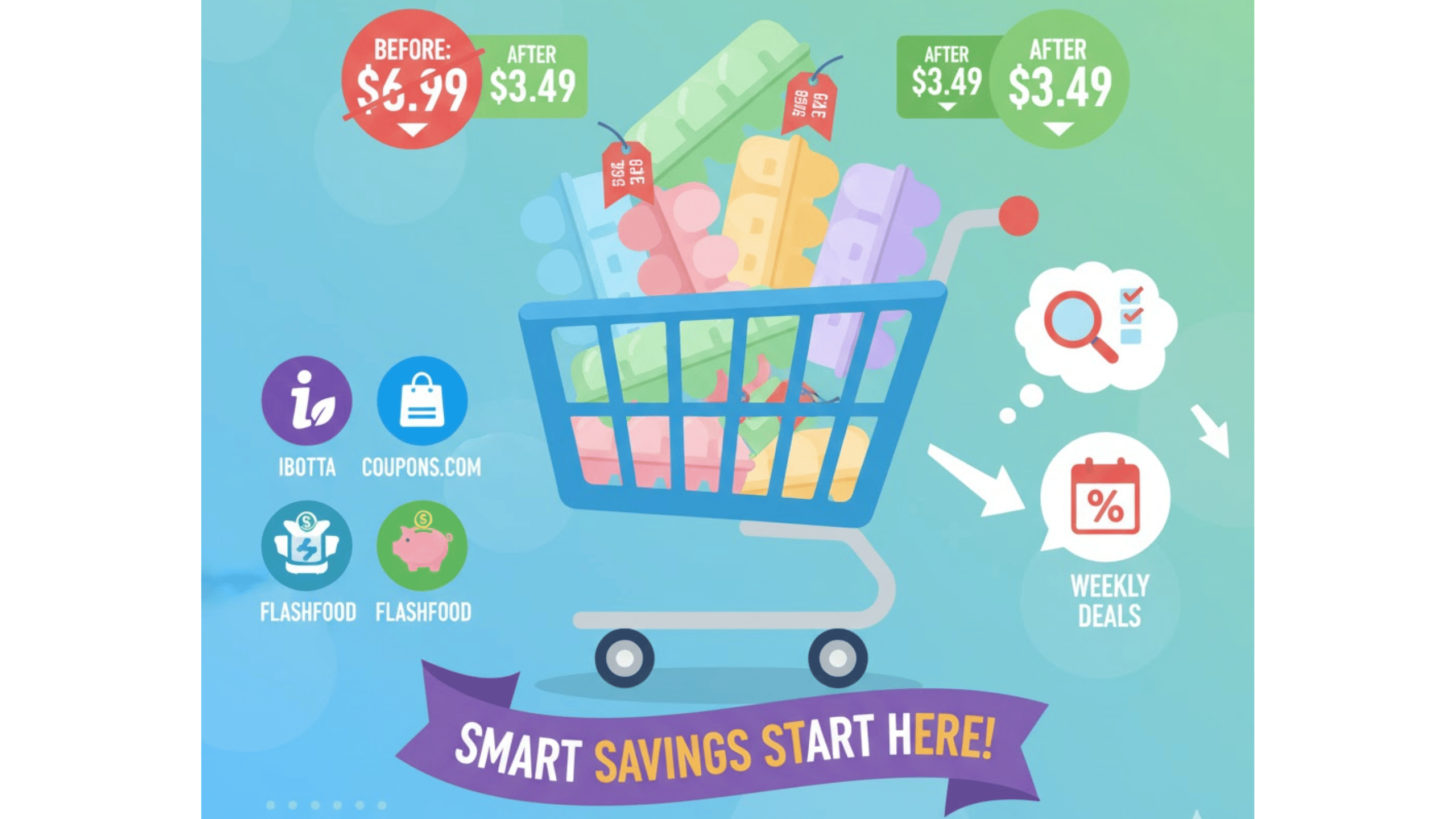
Saving on egg prices 2025 starts with smart shopping. Join loyalty programs at Kroger, Safeway, or Albertsons for member exclusives—recent rebates knocked $1 off per dozen via Ibotta. Aim for $0.30/egg thresholds; apps like Flipp scan flyers for flash sales.
Bulk up at Costco or Sam’s Club, where 5-dozen packs often dip under $3/dozen during restocks— but freeze extras (up to 12 months). Farmer’s markets yield fresher deals: Build rapport for 10-20% off regulars. “Local eggs average $3.50/dozen vs. $5 retail,” says retail expert Trae Bodge. Pro tip: Shop midweek when shelves refill.
Insider Tip #2: Swap and Substitute—Egg-Free Wins for Your Wallet and Pantry
Ditch dependency: Liquid eggs in cartons cost $2.99 for 16 ounces (equivalent to 8-10 fresh), lasting longer without waste. For baking, flaxseed “eggs” (1 tbsp ground flax + 3 tbsp water) mimic binding at pennies per use. Tofu scrambles or chia puddings pack protein punch for under $1/serving.
Plant-based like JUST Egg thrives now—up 25% in sales amid shortages—and works 1:1 in recipes. “Substitutes cut costs 4JUdGzvrMFDWrUUwY3toJATSeNwjn54LkCnKBPRzDuhzi5vSepHfUckJNxRL2gjkNrSqtCoRUrEDAgRwsQvVCjZbRyFTLRNyDmT1a1boZVdon’t skimp on flavor—try them in quiches or muffins.
Insider Tip #3: Broader Grocery Smarts—Stretch Your Dollar Beyond Eggs
Egg hikes signal wider inflation (up 3.2% for food), so pivot: Opt for frozen veggies over fresh (20% cheaper) and generic brands (save 25%). Meal prep proteins like beans or canned salmon patties—$2/serving vs. $4 for egg dishes.
Use Flashfood for near-expiry deals (up to 50% off) and SNAP for eligible boosts—monthly boxes include eggs free for seniors. Track with apps: Basket saves 15% by suggesting swaps. “One change weekly—like ground turkey for eggs in stir-fries—adds up,” says shopper Schweisthal.
Insider Tip #4: Long-Term Plays—From Backyard Hens to Policy Watches
Think ahead: Rent urban chickens via apps like RentTheChicken ($200/season for fresh eggs). Or join CSAs for bundled local goods, slashing per-item costs 30%. Advocate: Support USDA’s $1B flu fund via petitions—faster vaccines mean stable prices.
Build a three-month pantry: Canned goods and dry mixes weather spikes. “Resilience starts at home,” I learned from farm co-ops. These moves future-proof your budget.

Wrapping Up: Crack the Code on Smarter Spending in 2025
Egg prices exploding in 2025—from bird flu’s flock-killing fury to inflation’s grind—reminds us food security isn’t guaranteed. Yet, with 41% hikes looming, armed with these tips—from loyalty hacks to clever subs—you can reclaim control, potentially saving $200-300 yearly on groceries. The key? Adapt: Track trends, diversify proteins, and vote with your fork for resilient systems.
Start small: Swap one meal this week and scan for deals. For more on food economics, [read our piece on 2025 grocery inflation trends]. What’s your go-to egg saver? Share below—we’re all in this cart together.

FAQs
Bird migrations along routes like the Mississippi Flyway could intensify HPAI spread in spring 2025, as infected wildfowl deposit the virus near Midwestern farms during breeding season. This risks clustered outbreaks in high-density layer operations in states like Iowa, potentially culling another 10-15 million hens if biosecurity lapses occur. Farmers in these areas might see localized price spikes of 20-30% by April, but USDA's expanded wildlife audits—now covering 948 sites—could mitigate by rerouting flyways or enhancing netting. Overall, this seasonal vector underscores the need for region-specific monitoring apps to predict farm-level disruptions before they hit retail shelves.
USDA's $100 million innovation challenge, launched in February 2025, has drawn 4JUdGzvrMFDWrUUwY3toJATSeNwjn54LkCnKBPRzDuhzi5vSepHfUckJNxRL2gjkNrSqtCoRUrEDAgRwsQvVCjZbRyFTLRNyDmT1a1boZVUnlike past trials, these focus on therapeutic boosters for partial immunity, potentially reducing losses by 4JUdGzvrMFDWrUUwY3toJATSeNwjn54LkCnKBPRzDuhzi5vSepHfUckJNxRL2gjkNrSqtCoRUrEDAgRwsQvVCjZbRyFTLRNyDmT1a1boZVmillion layers faster, easing prices toward $4/dozen. However, trade hurdles with partners like the EU—fearing residue traces—might delay rollout, so watch for FDA approvals in July to gauge if this tech truly breaks the outbreak cycle.
Urban homesteading booms in places like Seattle, with 15% household growth in coops since 2024, could siphon 5-7% from commercial demand, subtly pressuring national wholesalers to lower prices amid surpluses. Yet, if city zoning eases further—allowing micro-farms—this might flood local markets, dropping regional averages by 10-15% while straining feed supplies and hiking corn costs for big producers. Nationally, it promotes diversified supply but risks uneven quality controls; experts predict a 2-3% dip in overall egg prices 2025 if urban output hits 50 million dozen annually.
Chains like Denny's are testing dynamic surcharges—50 cents per egg in high-shortage zones but waived via app loyalty tiers—to retain 80% of breakfast traffic without full menu overhauls. This targets inflation-weary millennials, who cut dining out 12% amid food hikes, by bundling eggs into value combos with plant-based sides. By mid-2025, AI-driven pricing could adjust daily based on USDA wholesale feeds, saving operators 15% while keeping perceived costs flat; however, backlash risks boycotts if not transparent, so watch for hybrid models blending fresh and liquid eggs.
Imports surged to 26 million dozen from Brazil and Mexico by June 2025, primarily for pasteurization, helping stabilize breaking stocks without direct retail impact. These meet FDA's H5N1 screening via enhanced border labs, maintaining a <1% contamination risk comparable to domestic. Yet, longer transit could introduce humidity-related salmonella variances, prompting USDA to mandate blockchain tracing by Q3. For consumers, this buffers prices at 5-7% below peaks but raises ethical questions on labor in source farms—advocacy for fair-trade certifications could ensure safety without inflating costs further.
AI-driven biosecurity drones, piloted in 130 facilities this year, use thermal imaging to detect early HPAI symptoms 72 hours pre-outbreak, potentially averting 30% of culls. Integrated with USDA's $793 million proposal pool, these could scale nationwide by 2026, forecasting flock health via satellite data on wild bird patterns. This tech not only caps prices at 2024 levels long-term but empowers small farms with affordable subscriptions ($500/year), democratizing access. Challenges include data privacy in rural networks, but successful trials in Tennessee hint at a 15-20% supply boost.
Co-ops like those in Detroit's urban ag networks pool buys from local suppliers, securing eggs at $2.50/dozen—4JUdGzvrMFDWrUUwY3toJATSeNwjn54LkCnKBPRzDuhzi5vSepHfUckJNxRL2gjkNrSqtCoRUrEDAgRwsQvVCjZbRyFTLRNyDmT1a1boZVbypass middlemen and incorporate bartering for surplus garden goods, stretching budgets amid 3.4% food inflation. By Q4 2025, digital platforms could link 500 co-ops nationally, but scaling needs zoning reforms; participants report 20% grocery savings, fostering resilience without federal aid. How might seasonal bird migrations worsen egg prices 2025 in specific U.S. regions like the Mississippi Flyway?
What role do emerging avian flu vaccines play in stabilizing egg supply chains by late 2025?
Could backyard chicken trends in urban areas like Seattle indirectly influence national egg prices 2025?
In what ways are restaurant chains adapting egg surcharges to avoid alienating budget-conscious diners in 2025?
How does the shift toward imported egg products from Latin America affect U.S. food safety standards in 2025?
What untapped tech like AI farm monitoring could prevent future egg price volatility beyond 2025?
How are low-income families leveraging community co-ops to counter egg prices 2025 without relying on subsidies?













Leave a Reply