
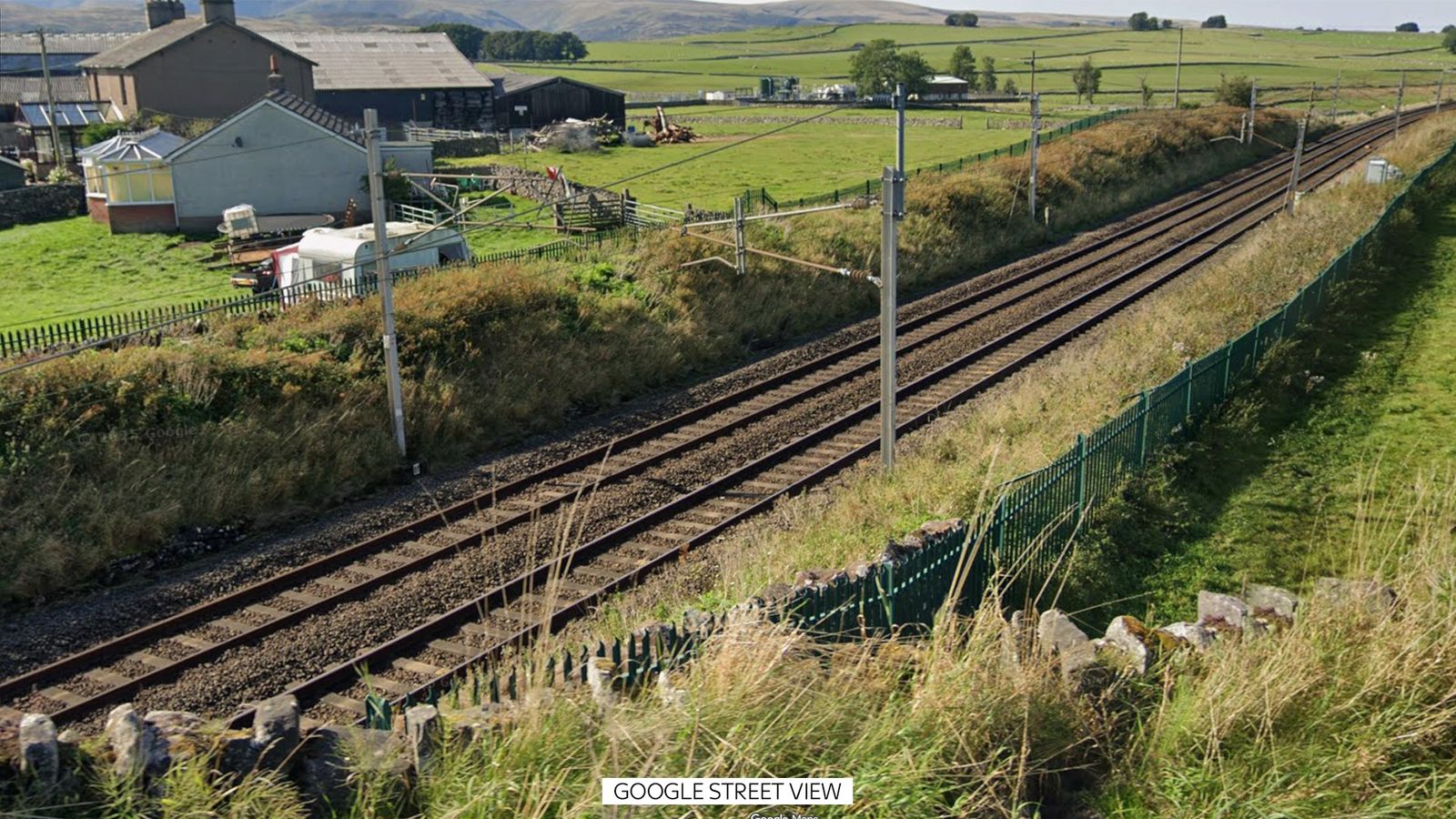
On the morning of November 3, 2025, a major incident unfolded on the UK’s West Coast Main Line when an Avanti West Coast train derailed near the village of Shap in Cumbria. This early-morning service from Glasgow to London Euston came off the tracks around 6:10 AM, prompting a swift response from emergency services and rail authorities. Fortunately, no injuries were reported among the approximately 130 passengers on board, but the event has caused significant travel disruptions expected to last several days. In this post, we’ll dive into the details, drawing from official statements, real-time updates, and broader context to provide a comprehensive overview.
What Happened?
The derailment involved the 4:28 AM Avanti West Coast Pendolino train traveling southbound from Glasgow Central to London Euston. According to reports, the incident occurred at approximately 6:10 AM near Shap, a remote area on the West Coast Main Line known for its challenging terrain and steep gradients. The train driver reported the issue, leading to an immediate halt and the declaration of a major incident by Transport Secretary Heidi Alexander.
British Transport Police confirmed that all passengers were safely evacuated and escorted from the train, with no casualties. Passengers were subsequently transported to the nearby Shap Wells Hotel for support, where hotel director Shabeeh Hassan noted many were in shock but unharmed. The North West Ambulance Service (NWAS) dispatched resources to assess the situation, working alongside Cumbria Police, Cumbria Fire & Rescue, and Network Rail teams.
As of the latest updates, the Rail Accident Investigation Branch (RAIB) has been notified and is coordinating an investigation. Network Rail is on-site to safely remove passengers and begin recovery efforts, but all lines remain blocked between Penrith North Lakes and Oxenholme Lake District.
Emergency Response and Passenger Evacuation
Emergency services responded rapidly to the scene. NWAS confirmed their priority was providing medical aid if needed, though no injuries were reported. British Transport Police officers remained on-site to manage the situation and ensure safety.
Passengers, numbering around 130 (updated from initial estimates of 85), were evacuated without incident and relocated to the Shap Wells Hotel. Avanti West Coast emphasized that the wellbeing of everyone on board was their top priority, and they are assisting with onward travel arrangements.

Impact on Rail Services
The derailment has caused widespread disruption on the West Coast Main Line, one of the UK’s busiest rail corridors. All lines are blocked north of Preston, affecting services between Carlisle and Preston. Avanti West Coast has advised passengers not to travel north of Preston today, with tickets for November 3 valid for use on November 4.
Alternative arrangements include:
- Rail replacement buses operating between Preston and Carlisle.
- TransPennine Express running buses between Oxenholme Lake District and Carlisle.
- Major delays and cancellations expected until at least the end of the day, with “significant disruption” potentially lasting several days.
National Rail urges travelers to check with operators or use National Rail Enquiries for real-time updates. This incident could impact freight services and long-distance travel between Scotland and England.
Possible Causes and Ongoing Investigation
The exact cause of the derailment remains unknown at this stage, with investigations just beginning. Early reports suggest wet and windy weather conditions overnight may have played a role, as the area experienced wild weather. However, no foul play is suspected, and the RAIB will conduct a thorough probe into factors like track conditions, signaling, or mechanical issues.
Network Rail is investigating following the driver’s report, prioritizing safety before reopening the line.
Historical Context: Derailments on the West Coast Main Line
The West Coast Main Line has a long history, with occasional incidents highlighting the challenges of high-speed rail in rugged terrain. Notable past derailments include:
- Grayrigg Derailment (2007): A Pendolino train derailed near Grayrigg, Cumbria, due to a faulty set of points, resulting in one fatality and multiple injuries. This led to major safety improvements in track maintenance.
- Quintinshill Rail Disaster (1915): The UK’s worst rail accident, occurring near Gretna on the WCML, involved multiple trains and signal errors, claiming over 200 lives.
- Hixon Level Crossing Tragedy (1968): A collision on the WCML led to 11 deaths and prompted inquiries into level crossing safety.
- Other incidents, like the 1967 Calthwaite derailment of a lime train, have blocked the line but caused no major casualties.
These events have driven advancements in UK rail safety, such as the Train Protection and Warning System (TPWS) and ongoing infrastructure upgrades. The Shap area, with its steep inclines, has seen fewer incidents, but weather and track wear remain ongoing concerns.
What Passengers and Travelers Should Know
If you’re affected:
- Check Updates: Use apps like National Rail or Avanti’s website for live info.
- Alternatives: Consider buses, coaches, or delaying travel. Tickets are flexible.
- Safety Tips: In rare derailments, stay calm, follow crew instructions, and avoid moving until safe. UK rails are among the safest in Europe, with rigorous protocols.
- Compensation: Avanti passengers may be eligible for refunds or claims under Delay Repay schemes.
This incident underscores the importance of rail maintenance in adverse weather, especially on vital routes like the WCML.

Conclusion
The Shap derailment is a reminder of how quickly rail travel can be disrupted, but the lack of injuries is a testament to modern safety measures and quick emergency responses. As investigations continue, expect more details on the cause and recovery timeline. Stay tuned for updates, and if traveling, plan ahead. For the latest, follow official sources like Network Rail and Avanti West Coast.
If you have personal experiences or tips from this event, share in the comments below!













Leave a Reply